

Maximizing ROI on Your Event Equipment Inventory

Amit Badola
Published Oct 24, 2024 • 12 min read
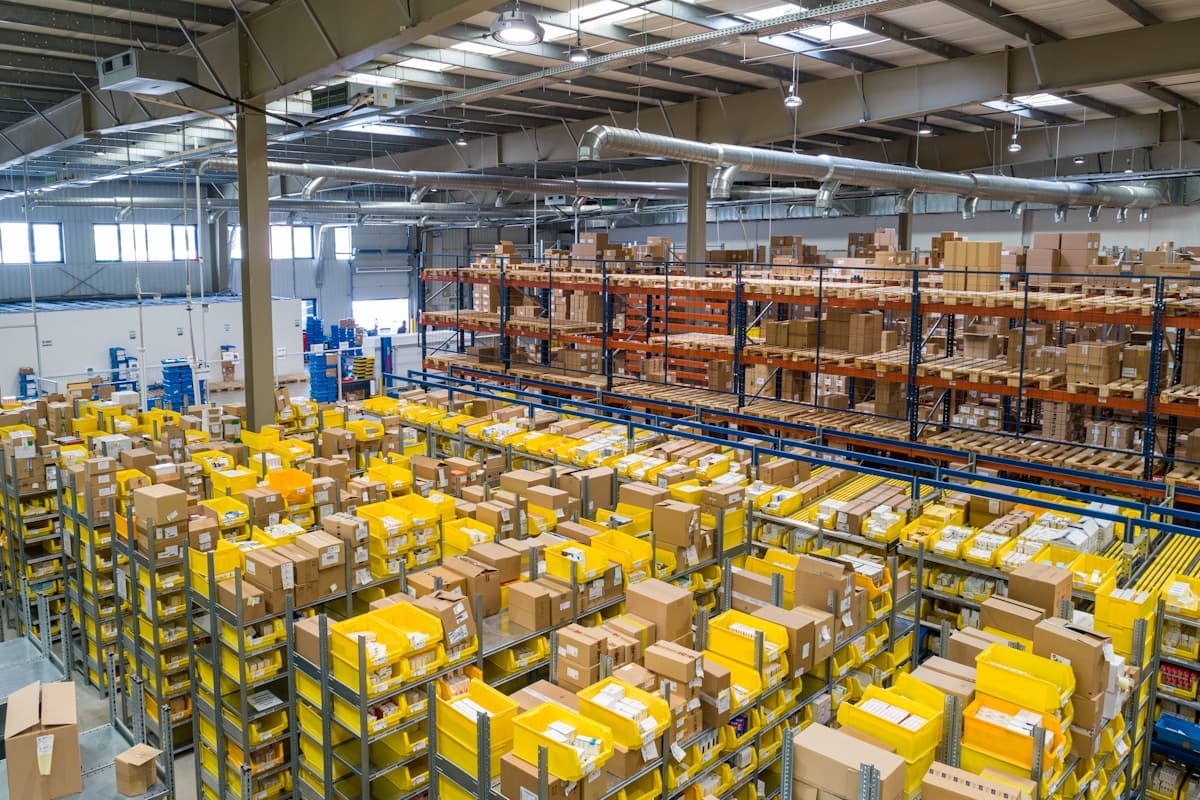
In the competitive landscape of B2B event rentals, inventory isn't just a collection of assets—it's your primary engine for revenue. For rental companies managing thousands of SKUs across multiple warehouses, the difference between a profitable quarter and a stagnant one often comes down to how efficiently those assets are cycled.
Maximizing Return on Investment (ROI) requires a shift from reactive management to a data-driven lifecycle approach. This guide explores the frameworks used by top-tier rental houses to keep their gear in the field and their margins healthy.
1. The Lifecycle approach to Procurement
Procurement should never be based on "gut feeling." High-performing rental businesses utilize historical utilization data to determine when to buy new stock versus when to refurbish existing units.
- Utilization Rate Tracking: Monitor how many days per month a specific SKU is out on rent.
- Depreciation Modeling: Factor in the residual value of equipment after 36 months of heavy use.
- Demand Forecasting: Use regional event calendars to predict spikes in specific categories (e.g., clear-span tents during wedding season).
“The most profitable piece of equipment is the one that stays in the field and out of the warehouse.”
2. Predictive Maintenance Over Reactive Repair
Every day an item spends in the "repair bay" is a day it isn't generating revenue. Transitioning to predictive maintenance—using IoT sensors or rigorous check-in/check-out logs—can reduce downtime by up to 40%.
- Standardize inspection checklists for every return.
- Track "Mean Time Between Failures" (MTBF) for high-value mechanical assets.
- Allocate a percentage of monthly revenue specifically for preventative parts replacement.
3. Dynamic Pricing and Yield Management
Airlines don't charge the same price for every seat, and neither should rental companies. Implementing dynamic pricing based on local demand, inventory levels, and lead time can significantly boost ROI on slow-moving items.
Conclusion
Optimizing inventory ROI is a continuous process of measurement and adjustment. By focusing on lifecycle procurement, proactive maintenance, and yield management, event material providers can protect their bottom line while offering better availability to their clients.
Ready to audit your current inventory performance? Our team specializes in B2B asset optimization for the global events industry.
Comments (2)
John Doe
Great insights on predictive maintenance. We've implemented a similar RFID system for our stage decks and saw a 15% reduction in loss last quarter.
Sarah Rodriguez
Does anyone have recommendations for software that integrates well with EMH for real-time availability tracking?